The Three Excuses That Keep Organizations Stuck
I used to blame a lack of work ethic on my employees. Poor attendance, high turnover, disengagement- always pointing my fingers outward rather than at myself.
That was before my HR Manager had the audacity to challenge me, suggesting that I might bear some responsibility for the attitudes they bring to the job.
I accepted her challenge, discovered a different way to connect with them, and succeeded.
Over the years, I’ve had similar conversations with many business leaders experiencing the same challenges.
When I advise that we approach their issues from the top down, I often find they carry the same attitudes I once did, and they offer me some version of the following responses:
1.“We don’t have time for that.”

Granted, creating meaningful change requires an investment of time. I like to ask how much time is lost to preventable staffing shortages? How many hours of downtime are caused by discipline-related issues? How much productivity is lost due to call-offs or disengaged employees?
Every business owner knows that making and selling products requires an investment of resources. The whole point of investing is the expectation of some ROI.
Invest your time today in making healthy changes, and you greatly increase your chances of a better tomorrow.
2.“We don’t have money for that.”
This is my favorite objection, for a couple of reasons.
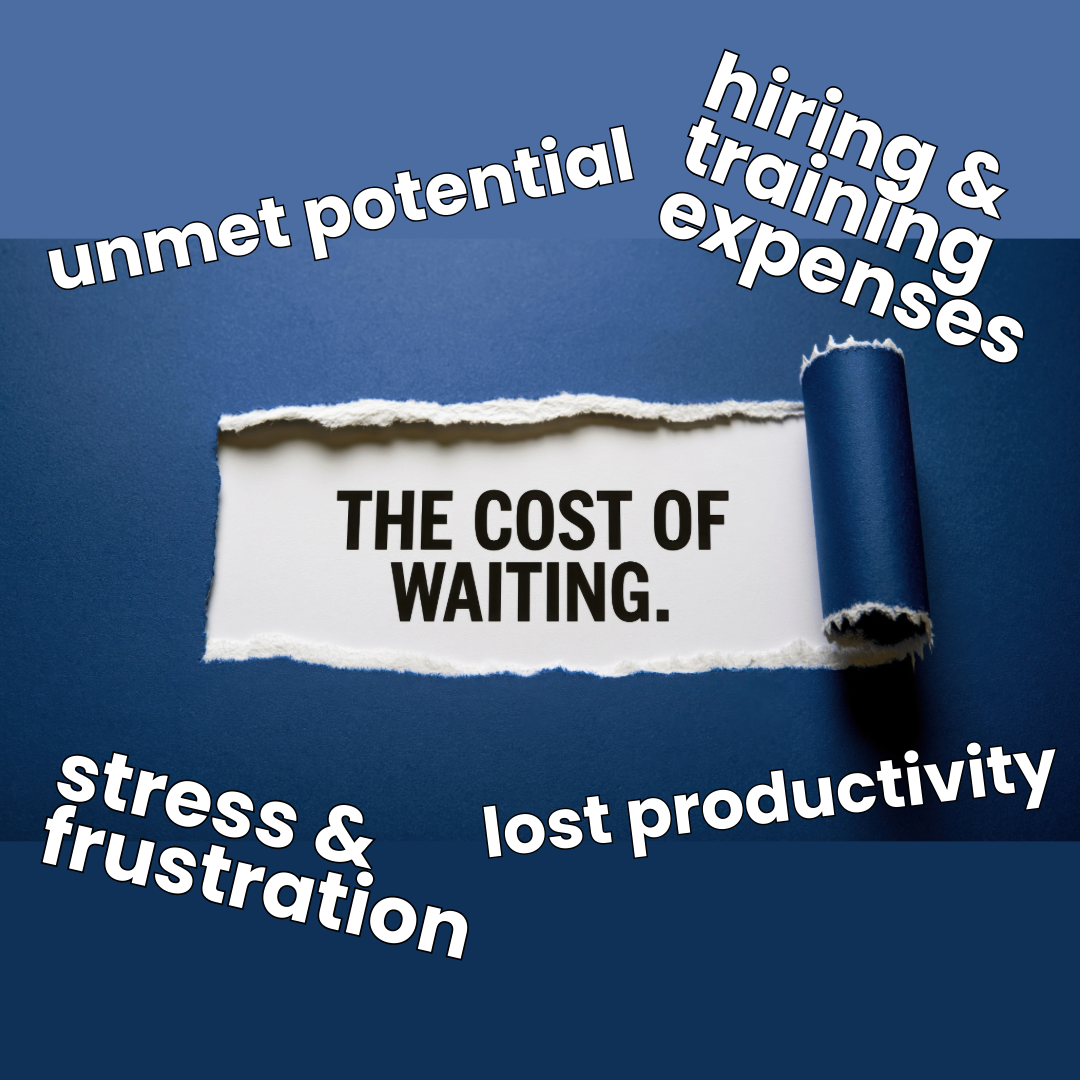
First- how much is NOT fixing your problem costing you? The cost of dysfunctional teams is ridiculously high. Secondly, the opportunity cost of not fixing the dysfunction is immeasurable and extends beyond dollars and cents, in the form of stifled growth.
Where would your organization be if you were staffed with a fully equipped and functional team? What problems would you be able to solve with qualified workers who catch your vision and give their all?
If you are experiencing a revolving door of employees and all the problems associated with a disengaged workforce, you can’t afford not to invest in fixing the problem.
3.“We’re not the problem; it’s the workers.”
This one is a common conversation, and it’s actually harder to address because it involves the ego, which is a tougher nut to crack.
We all recognize that we are fallible and susceptible to being wrong, but most of us don’t recognize that we are wrong in the present tense.
To admit that we could be part of the problem is a tough pill to swallow for anyone, especially someone who has attained some level of leadership.

In our minds, it’s easy to think that we know more than others because we are in the position we’re in and they aren’t. Besides, as the boss who is paying the workers, they just need to get on board with my plan, don’t they? As my HR manager asked, “How’s that working out for you?”
I agree that if you are the person who leads an organization or team, it should function the way you want, and workers should just inherently do what you hired them to do.
Unfortunately, reality doesn’t care about what should be; just what is.
John Maxwell said that a leader with no followers is just taking a walk. It’s not enough to “be the boss”. Leaders lead, and that takes effort, time, and a bit of humility.
REALITY CHECK
Leadership isn’t a role or position; it’s a characteristic. It’s a quality about you that makes others want to follow. If your teams aren’t reaching their full potential, leadership has to own part of that outcome.

The reality check is that the problems facing your organization won’t be resolved without your time, resources, or leadership.
Those three things, working in harmony over time, won’t just help solve workforce problems. They’ll reduce the friction and headaches that come with those problems. How do you put a value on that?
I’d love to hear from you. Feel free to comment below, or reach out, and let’s schedule a meetup.